“The animals bleated and brayed amid the chirping of cicadas crickets flies and mosquitoes that brought to mind the expanse of olive trees in whose infinitude my childhood unfolded and where my childhood still lies buried marked by a wooden cross buried along with the gun of my childhood which I replaced with the gun I keep by my bedside drawer which only my cooking and the ancient knowledge of my hands and my love for all women keep me away from…”
Marosia Castaldi, The Hunger of Women
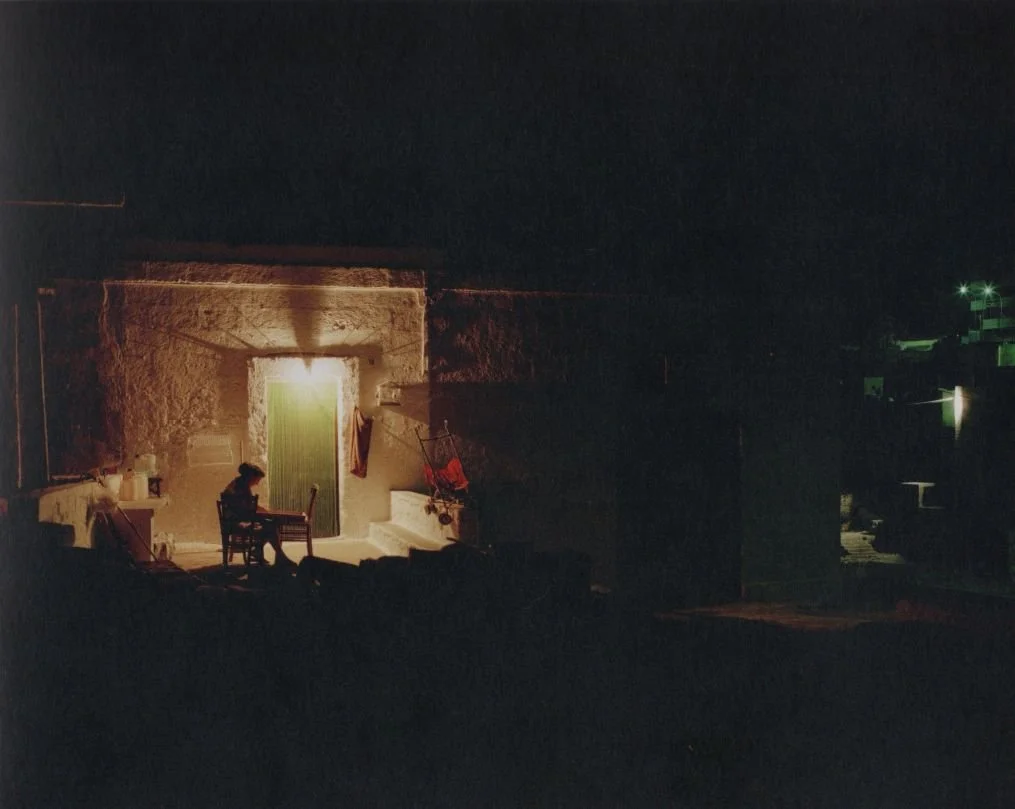
Photo—Luigi Ghirri
not a nostalgic tableau
a raw chant, a seismic voltage, a regional rhythm, a trembling organism
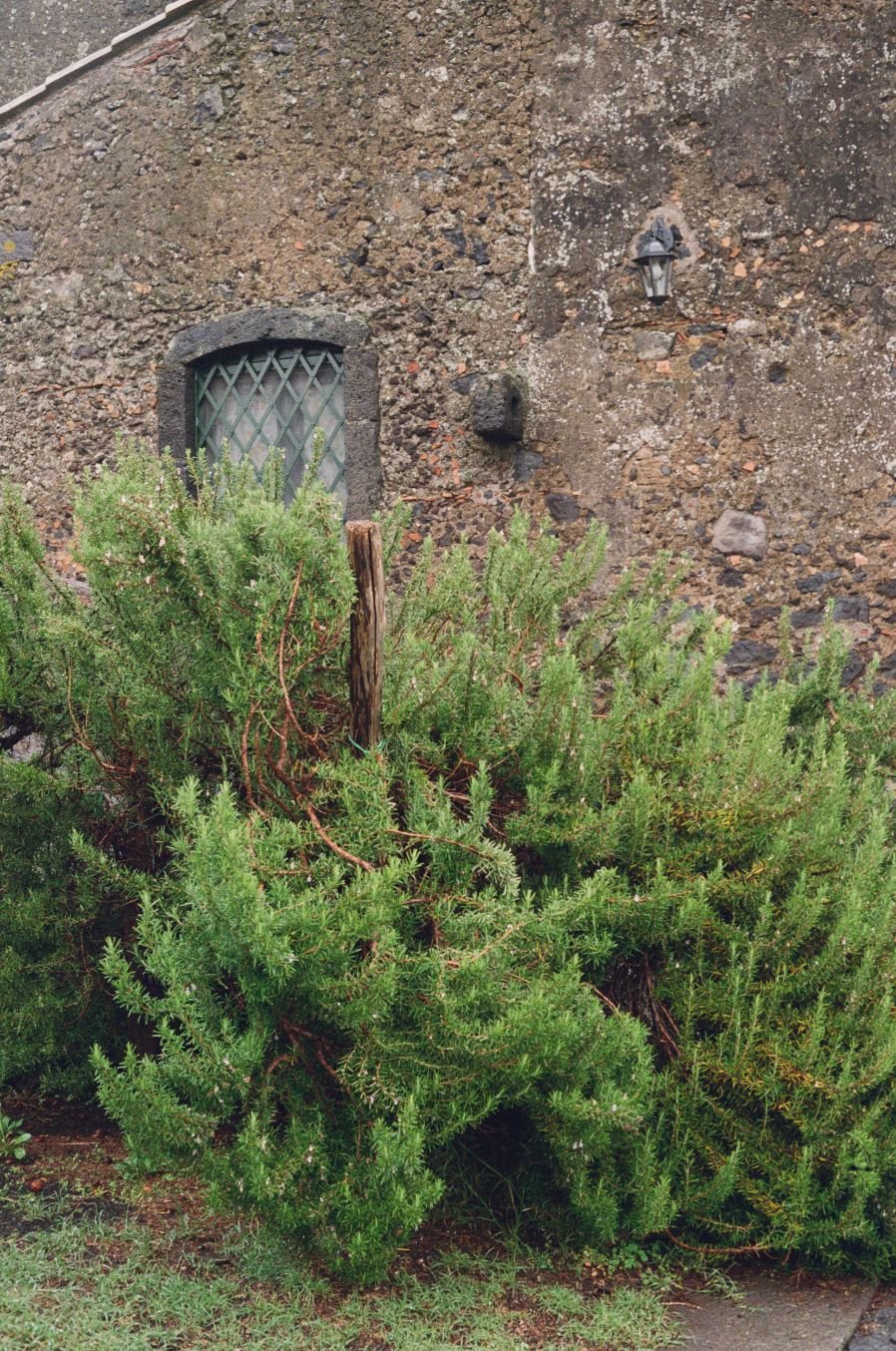
The Land of Lila is a multidisciplinary land based art project—home to a medicine garden, small batch artisan apothecary and studio. My work is both a study of and practice in the vernacular art, medicina popolare, and ethnobotany of the mezzogiorno and larger Mediterranean, with a specific focus on the earth bonded lifeways of those on the periphery.
The apothecary features a full spectrum of whole plant medicine, with a focus on topical preparations—specifically hydrosols and herbal soap. I make all of the apothecary offerings in house by hand, from seed to bottle, in limited editions from season to season. I take care of my medicine garden in the same ecological way my contadini ancestors did—with respect for the living soil and larger ecosystem—by not tilling, feeding the soil, and nurturing diverse densely planted polycultures. The menstruums I use are sourced directly from small ethical producers I have relationships with. Medicina popolare has been a part of my life from the beginning, it is how my people have always taken care of themselves and those around them. This work is a continuation of the Earth bonded ways I was brought up with—talking about our dreams at the table each morning, dancing in the streets, walking up mountains for the Mother, singing to our dead, all with wild herbs in hand.
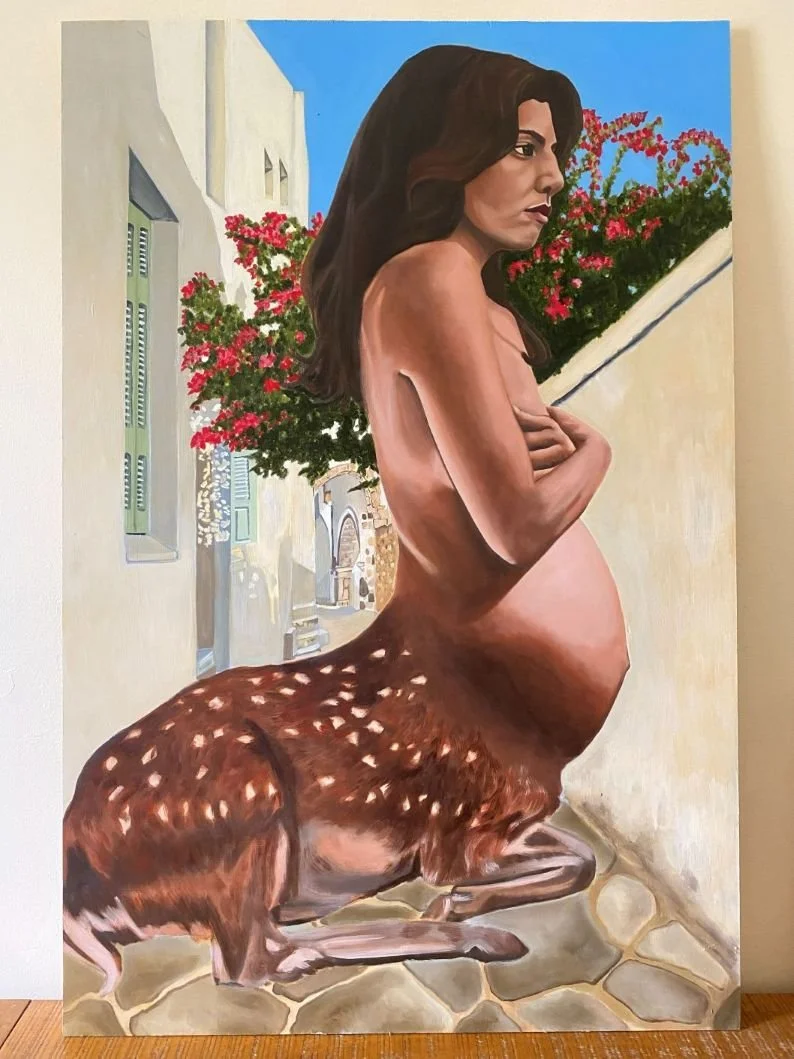
Mare sangue memoria: a fury both inherited and chosen. Into the Night. 2026.
Rooted in the artisan traditions of my people and a deep love of heirlooms, ancient artifacts, folklore and feminist fairy tales—my art practice is an exercise in subversion, embodying the threads that connect the sacred lifeways of my homelands, and creating things to last. In Cantu e Cuntu Rosa Balistreri sings, (eng.) “I sing and tell, so as not to lose the memory,” this is what is at the heart of my work, whether it be a bottle of medicine or a painting. In a conversation I had with a loved one about an ethnobotany paper I had recently read, they reflected: “So all the things we do they say are extinct,” which is a theme I have often noticed over the years in many modern academic works. Giving voice to some of these less common practices is a big driving force for me. Through my art practice I connect threads, highlight (sub)cultural realities, and make space for things in the margins to exist in their full expression and complexities—not as an academic analysis or futile attempt to preserve some static thing in time, but as someone inside the living dynamic marginal cultures.
“Art, I noted, can convey truths suppressed by dominant institutions.”
—Lucia Chiavola Birnbaun, The Future has an Ancient Heart
My work is an act of remembrance in service to the la dea madre, enchantment, and the great mystery.
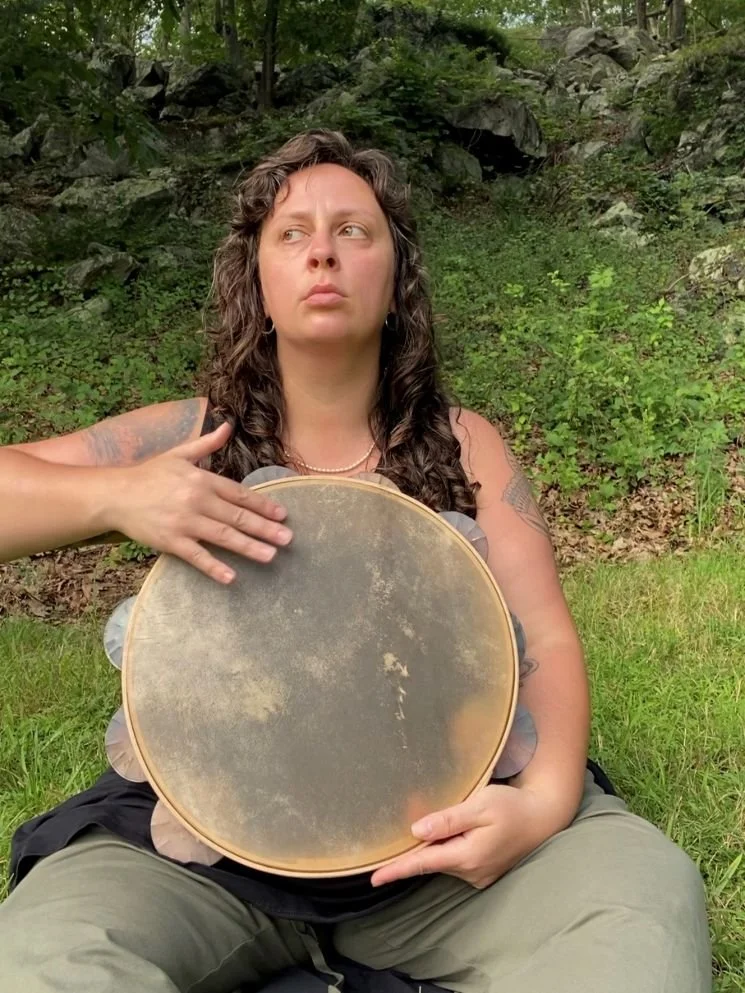
My people come from the Mountains and coasts of Southern Italy. I grew up in a matriarchal household in a diverse working-class community and the struggle, love, camaraderie, and ingenuity I experienced has deeply shaped who I am. I stand firmly in solidarity with all workers and people rejecting their oppression and working towards liberation worldwide. I exist in the margins and am moved to tell peripheral stories. My deep love of and connection to the Earth is the driving force of my life and work and I hope to help others remember how vital all of our connections with land truly are, as empire continues to sever this connection, enclose the land, and exploit our material existence.
I would describe myself
like a landscape I’ve studied
at length, in detail;
like a word I’m coming to understand;
like a pitcher I pour from at mealtime;
like my mother’s face;
like a ship that carried me
when the waters raged.
Rainer Maria Rilke, The Book of a Monastic Life, I, 13
Big Love,
Samantha Maria Blancato